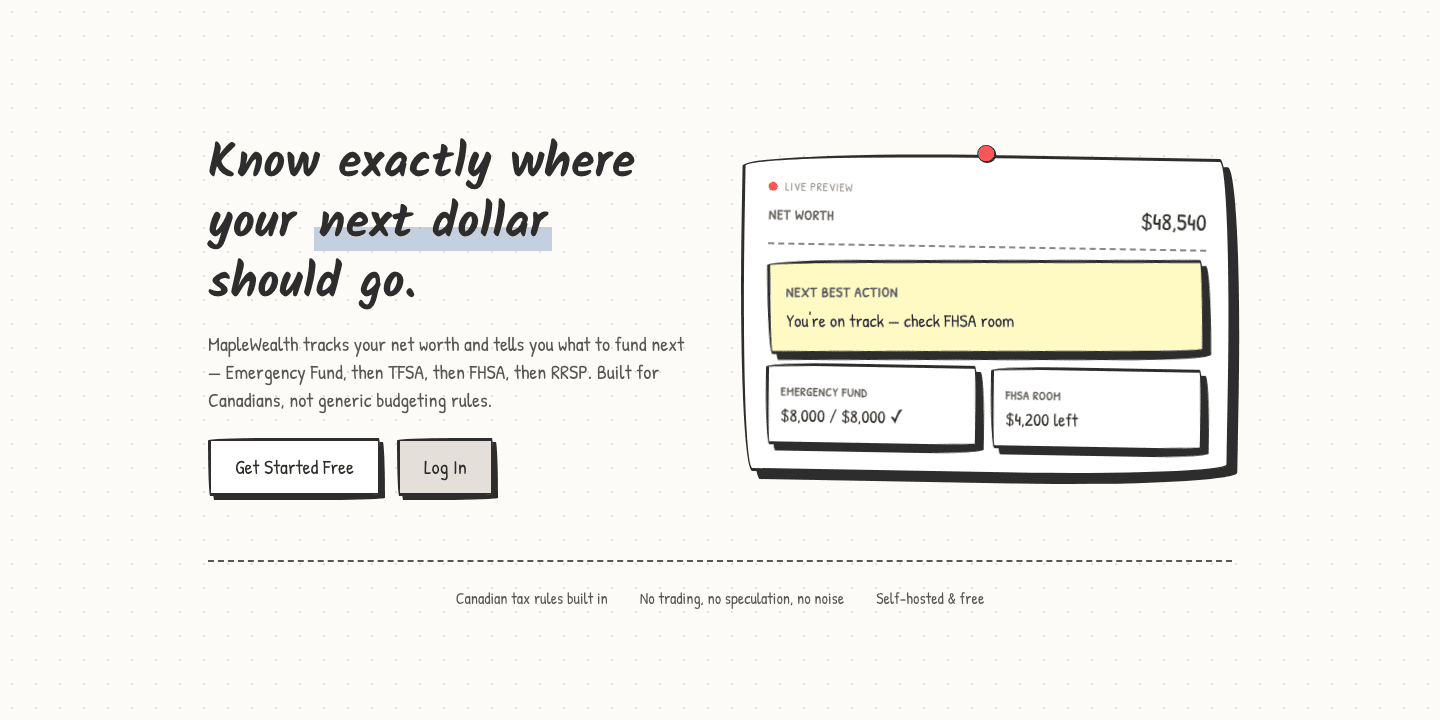
Modeling TFSA, FHSA and RRSP Rules in Software
How I model TFSA, FHSA and RRSP contribution room in MapleWealth: ledgers instead of balances, carry-forward, re-contribution timing and the edge cases.
8 min read
 Case Study
What a Team Spends on AI Coding Agents, and How Full Each Subscription Is
A hosted dashboard and a menu-bar desktop app that read the same data. Claude Code and Codex CLI report usage through their own OpenTelemetry export, so there is nothing to install on a developer's machine and no Claude sign-in on the server.
agent-meter shows a small team (5 to 50 developers) what each person spends on Claude Code and Codex CLI, plus how full each person's Claude subscription quota is. The dashboard and the desktop app are one product: the same account signs in to both and they show the same data. It never holds a Claude credential, never calls Anthropic and never receives prompts or responses. It is hosted on Fly.io with a continuously backed-up database.
AI coding agents are billed in two different ways: per token on the API, and as a flat subscription with weekly and five-hour usage limits. A team lead has no single place to see either, and the agents' own tools only show one person's numbers.
Give a team one honest view of what its coding agents cost and how close each subscription is to its limit, without ever touching what the developers type or any credential.
That meant using what the agents already emit, keeping the server free of any Claude credential, and labelling every number as reported by the agent or estimated from list prices.
agent-meter is a Next.js 16 application over a single SQLite database. Developers add a few settings to Claude Code or Codex CLI, and the agents send their own OpenTelemetry usage events to the server with a per-machine token.
The agents' own OpenTelemetry export carries usage to the server; a small status-line script adds quota readings
The web dashboard and the menu-bar app sign in with the same account and read the same data
Every spend figure says whether the agent reported it or it was estimated from API list prices
Costs from Claude Code and Codex CLI, grouped the way a team lead thinks about them.
How full each person's weekly and five-hour window is, with history and a pace forecast.
The tightest quota at a glance, with a warning when a window passes a threshold.
Model prices and capability benchmarks beside the spend, with release and price-change news.
Invite links, per-machine tokens that can be revoked, and sign-in for each desktop app that can be removed.
The server, the ingest parser, the price and quota logic and the desktop app's sign-in and polling are covered by an automated test suite that runs on every change, and the desktop installers for Mac (Apple silicon and Intel), Windows and Linux are built by CI.
Backups were proven by destroying a data volume and restoring the database onto a fresh one. The text on the Usage, Quota, People and Machines pages was checked against contrast thresholds in a real browser.
agent-meter is running in production on Fly.io and is in use on my own machine today. It is built for small teams and is not yet sold; billing and one workspace per customer are the next planned layers.
See what your coding agents cost, without giving them a new place to leak prompts
 Blog and articles
Notes from client work and side projects: architecture decisions, tooling and what shipped.
How I model TFSA, FHSA and RRSP contribution room in MapleWealth: ledgers instead of balances, carry-forward, re-contribution timing and the edge cases.
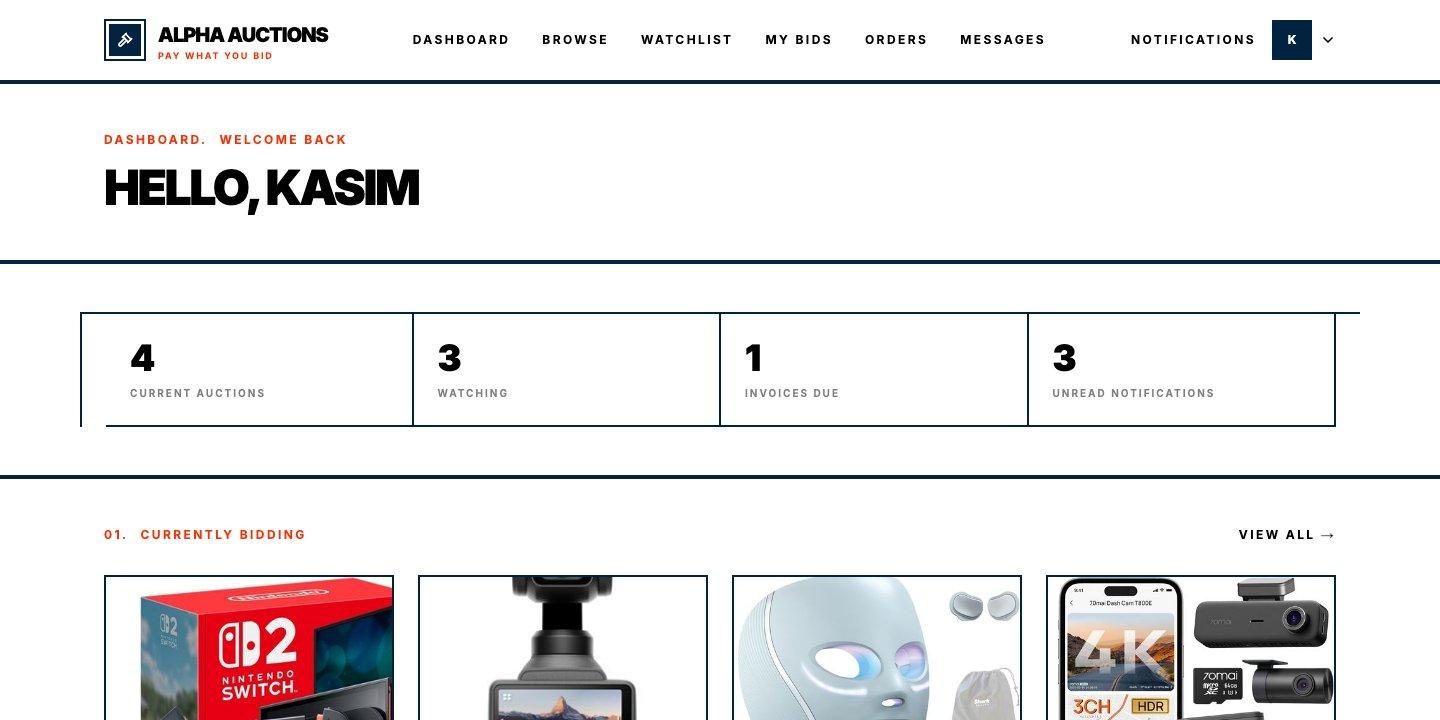
Server-authoritative bids, countdown clock sync, optimistic UI and reconnection: the architecture behind real-time bidding with Socket.io and PostgreSQL.
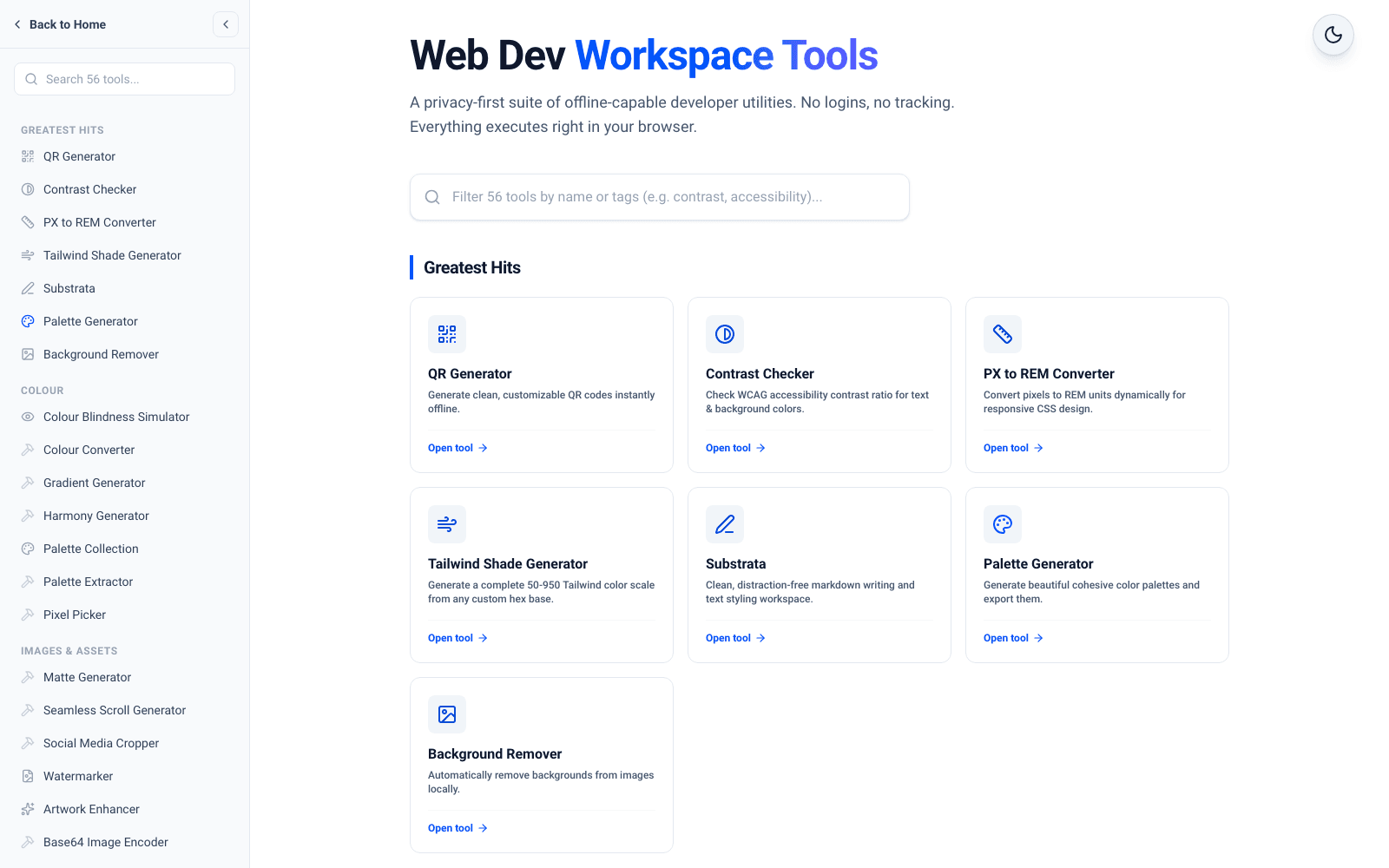
Why I built 59 free developer and design tools that run entirely in the browser, how one data file drives them, and what I'd change.